.jpg)
Depending on the season, you can enjoy completely different travel experiences in Iceland. Summer is characterized by light, warmth, and vibrant nature, which is ideal for active outdoor adventures. In winter, you can experience the Northern Lights, ice worlds, and a magical atmosphere in Iceland, ideal for special events and photography. But which season is right for you? In this article, we will help you find the perfect time to travel to Iceland.
Iceland in summer
Weather & Climate
In summer, Iceland has average temperatures of 10-15°C, but temperatures around 20°C are not uncommon. Due to the midnight sun, it stays light for up to 24 hours in June, giving you plenty of time to explore Iceland, go on excursions, and make spontaneous stops.
Activities
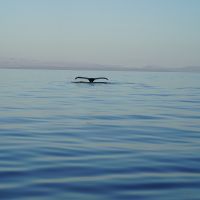
 Summer in Iceland offers numerous activities. Hiking enthusiasts will find what they are looking for on the signposted trails, for example on the Laugavegur. Have you always wanted to visit the highlands? This is only possible in summer. Summer offers particularly good chances of seeing whales on a whale watching tour. Puffins are also particularly active on the coast from May to August. Would you like to explore Iceland on a self-drive tour or ride on horseback through the vast landscapes? Summer offers ideal conditions for this.
Landscape & Nature
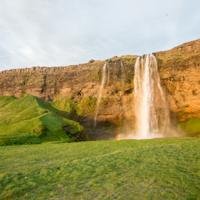 The impressive waterfalls are particularly spectacular in summer due to the high volume of meltwater. The landscape is characterized by green mountains, flowering meadows, fields of lupins, and a lively animal world.
Advantages of summer
All regions in Iceland, especially the Westfjords and the highlands, are easily accessible. The midnight sun provides ideal conditions for photography. In addition, the long daylight hours give you the opportunity to explore the country's natural attractions at less busy times. The temperatures are perfect for participating in numerous outdoor activities.
Who is summer in Iceland suitable for?
Summer in Iceland is particularly suitable for families with children, outdoor enthusiasts, hikers, and nature photographers. If you are visiting Iceland for the first time and want to see as much as possible and be flexible in your travels, summer is the ideal time to visit.
Iceland in winter
Weather & Climate
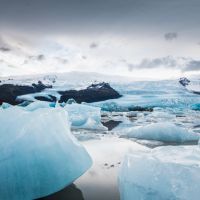 In winter, temperatures in Iceland range from -5°C to 5°C. The days are shorter than in summer, so you should expect 4–6 hours of daylight. Storms are also a frequent occurrence in winter, and road conditions should always be checked before setting out. Generally speaking, winter weather conditions in Iceland require a bit more flexibility.
Activities
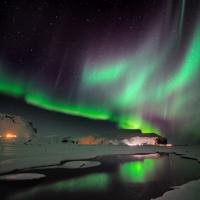 In winter, you have the opportunity to see the Northern Lights. The best chances are from September to April. Only in winter can you go on ice cave tours and snowmobile tours. Glacier hikes in winter are also recommended. You can experience a special winter feeling in the hot springs and hot pots in the snow. Imagine sitting in a cozy vacation home in Iceland and enjoying the flickering northern lights while taking a hot bath in a hot pot.
Landscape & Nature
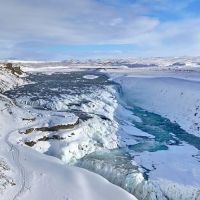 The winter landscape in Iceland is rather serene. The waterfalls are frozen, forming fascinating ice sculptures. The clear, cold air is ideal for photography. The blue ice caves, in particular, are unique and well worth a visit in winter.
Advantages of winter
Compared to summer, fewer visitors are expected at the popular attractions. The snow, darkness, and possibly the northern lights create an almost magical atmosphere that is perfect for photography.
Who is winter in Iceland suitable for?
If you are looking for unique winter experiences and northern lights, Iceland in winter is the place to be. Couples who enjoy the romantic winter atmosphere are also sure to get their money's worth in Iceland in winter. For travelers who prefer short trips, experienced self-drivers, or guided tour participants, wintery Iceland is well worth a visit.
Our Conclusion
Summer is ideal for you if you want to see as much as possible, enjoy being active, are traveling to Iceland for the first time, or want to experience the midnight sun. Winter is for you if you want to see the Northern Lights, love silence, experience special natural phenomena such as ice caves, or photograph winter landscapes. Basically, both seasons offer unique experiences and the choice ultimately depends on the type of traveler you are and your interests. But one thing is clear: Iceland is worth visiting in every season – just in different ways.